
I have no space nor the equipment to keep wine in heavy concrete vessels.
So do walls count, too?
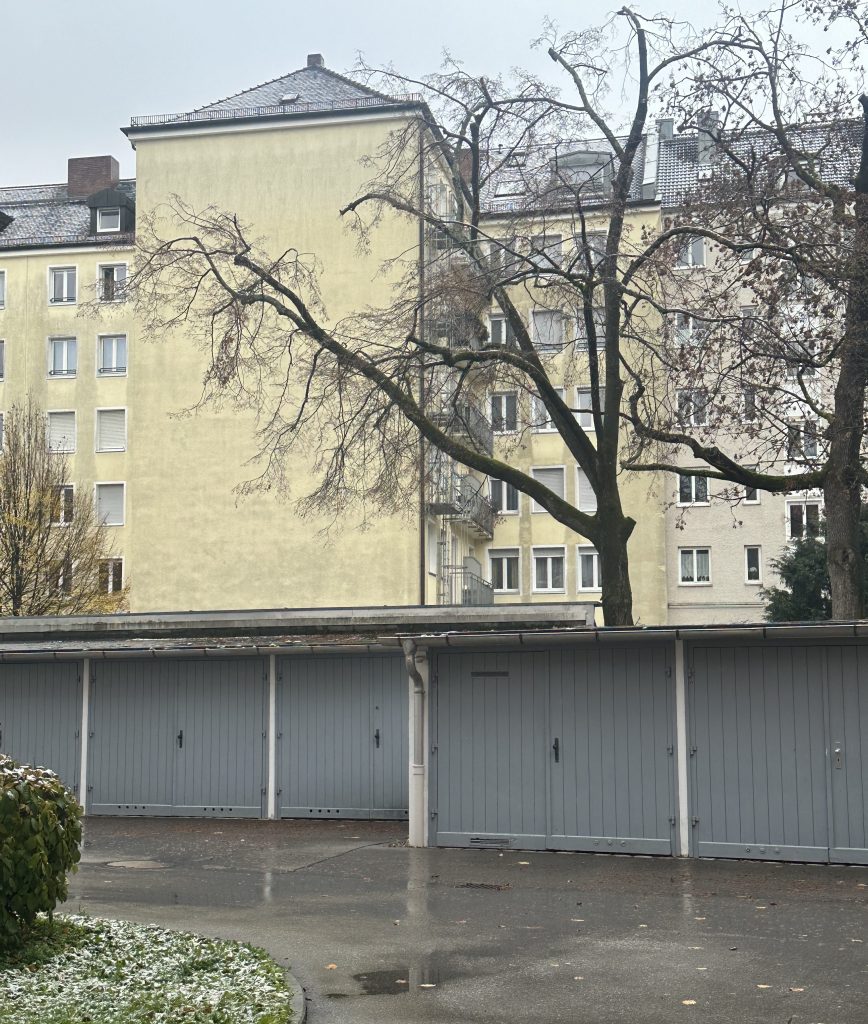
Garage walls are made of concrete.
Cellar walls are made of concrete.
The streets around me, and the many buildings are made of concrete.
Imagine that helps provide a good environment for wine, too.
The idea to make wine where I live and work, enjoy museums, restaurants, bars, shops, public transport and my friends seems very obvious, suddenly.
After completing a university certificate and studies in enology and viticulture, I had started to ask myself, if I could do it, too. Along my idea of crafting a very hands-on, carefully crafted product. Intervention at a minimum level. No additives, no masking. Working with top quality fruit only. Trying out how the juice actually turns into a wine, what it takes, what it needs, and how to handle it most gently. What the levers are that I would be left with, if I try to make wine from grapes only. In the safe and comforting environment of the city, surrounded by buildings, streets and neighbors only separated from me by a kitchen wall, I had started to want to make wine myself.
The question about where to do that has been the one most difficult nut to crack.
I rented a garage in the first year. You are not supposed to make wine in a garage. So I also parked my car and my Vespa there. But I was facing the difficulty of missing water and drainage directly on location. And the fear of disturbing neighbors.
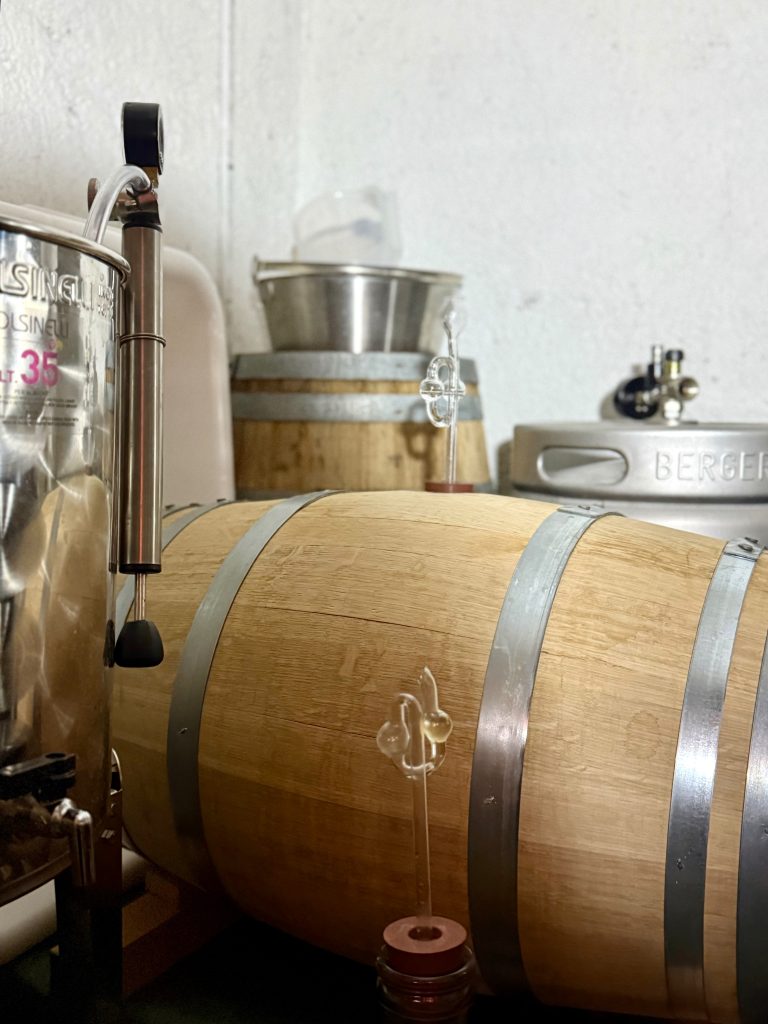
For the following year, I decided to make the next vintage at home. In the basement. Next to my skis and my Christmas box. All equipment can be washed in the backyard, and in my bathroom. The basement is relatively cool during summer and winter (concrete walls ;)). I had space there. I asked my friends and neighbors to give me a hand or two for pressing the juice, filling the bottles, tasting the wine. So many beautiful moments have shaped since then.
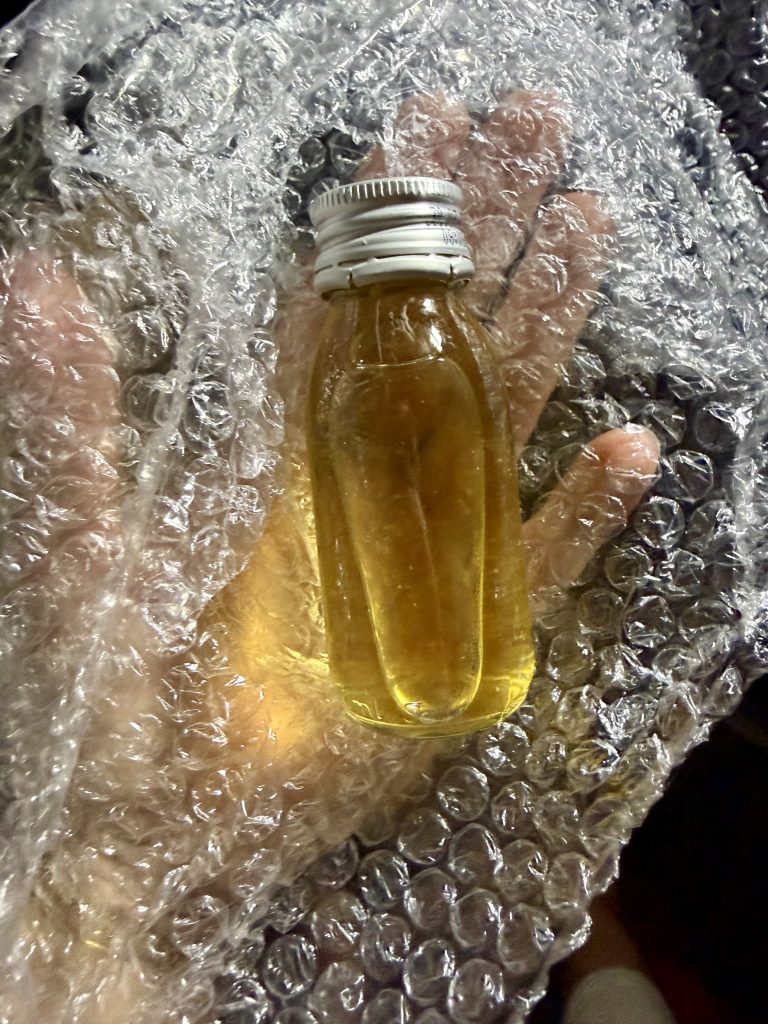
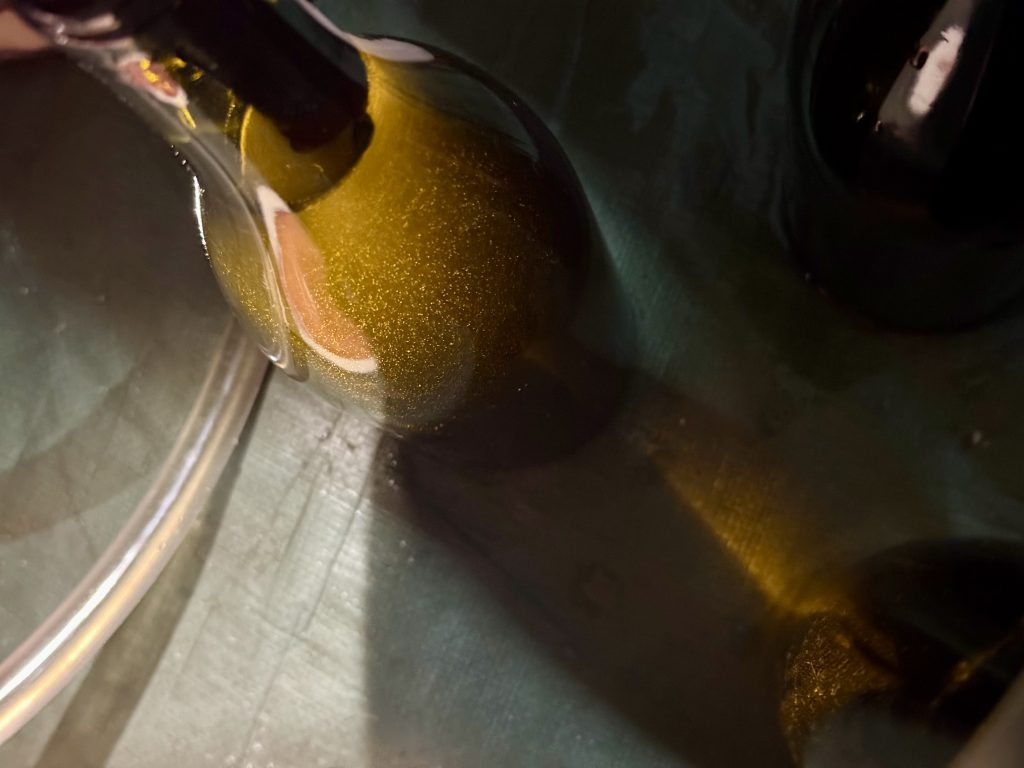
The Pinot Blanc that I made in 2025 has turned out as a super complex, smooth and pleasing natural beauty. Its name “CHE BELLO” actually stems from a moment of pressing its grapes. But it is a very fitting name for it in all regards. It has a beautiful light yellow-golden color. The aromas are elegant, yet full of character, with very little fruit like quince and dried apricot, some oxidized hints like sherry, and some saltiness, nicely balanced out by not too loud acidity.
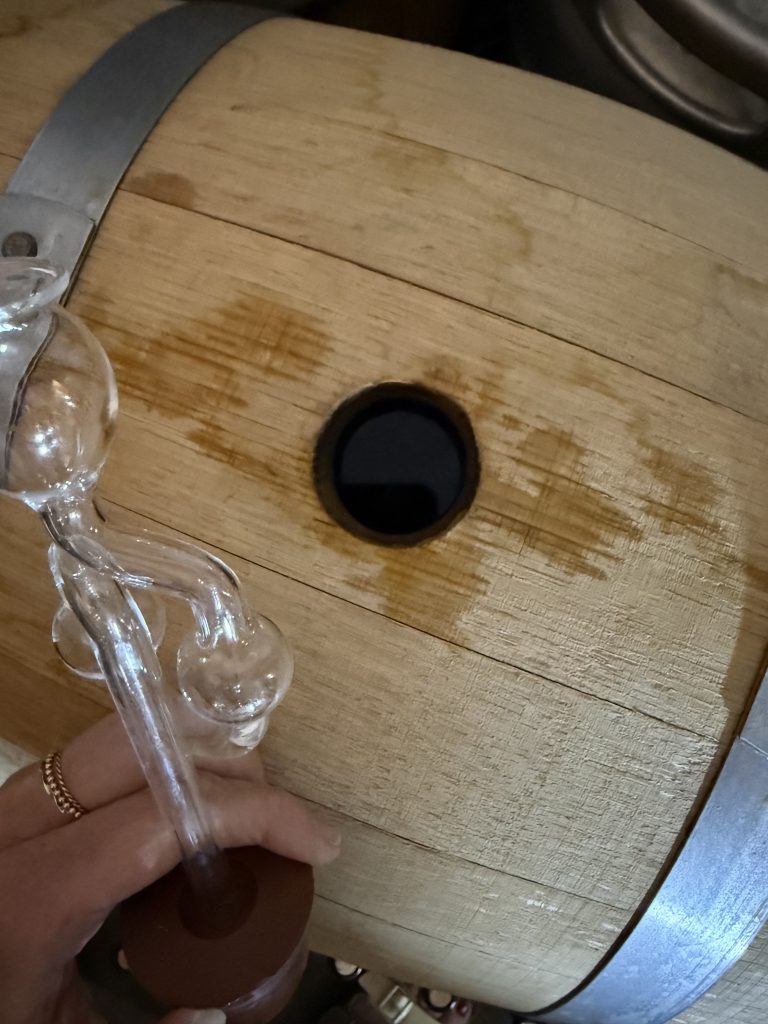
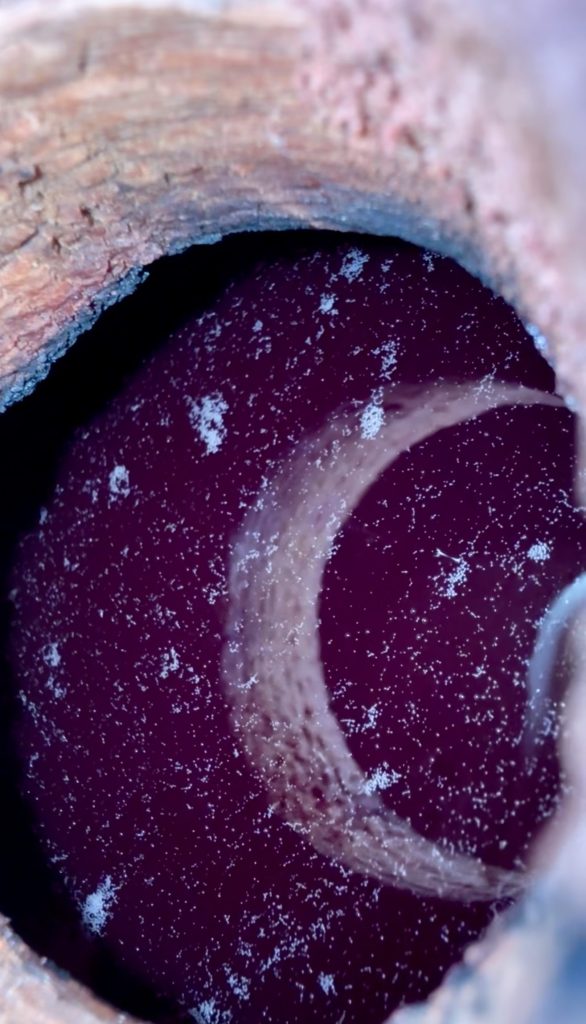
As the basement is quite dry and I had the pinot in a small 65l oak barrel, I faced quite some evaporation over the year. At some point I had nothing to top it up with anymore. So I decided to go for a risk: flor yeast potentially develops when you leave a wine in a barrel that has oxygen at the top as it’s not full. Flor yeast is fascinating. It adds a nutty, sherry-like aroma, and it protects the wine from oxygen, as it forms a film on top of it. You have no guarantee that flor develops. With oxygen at the top of a vessel, you can also grow nasty bacteria that destroy the wine, let it get hazy, with off aromas and it can become undrinkable.
I went for the risk.
At the end of June, I could not resist anymore, and liked what analysis said about it. I decided to cut through the flor and bottle it. 73 bottles were filled. (plus a third of a bottle that my friend and I had that evening, not believing that it was actually still nice). CHE BELLO challenged me, and became a friend, and I feel that the concrete walls of the basement held it safe.
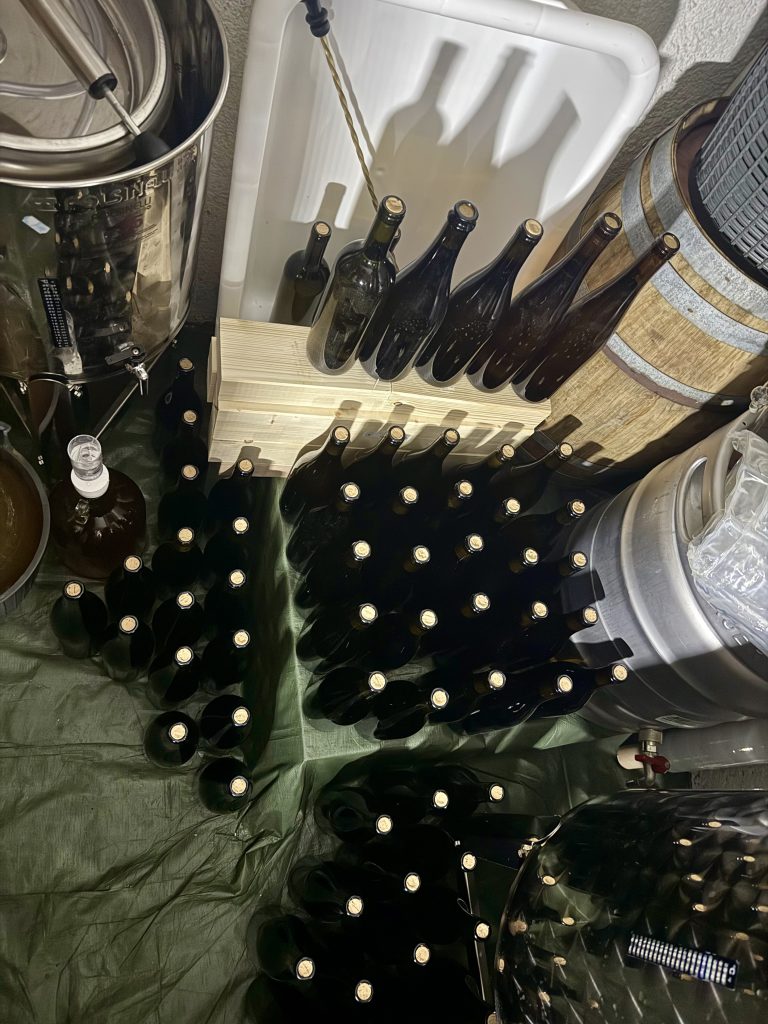
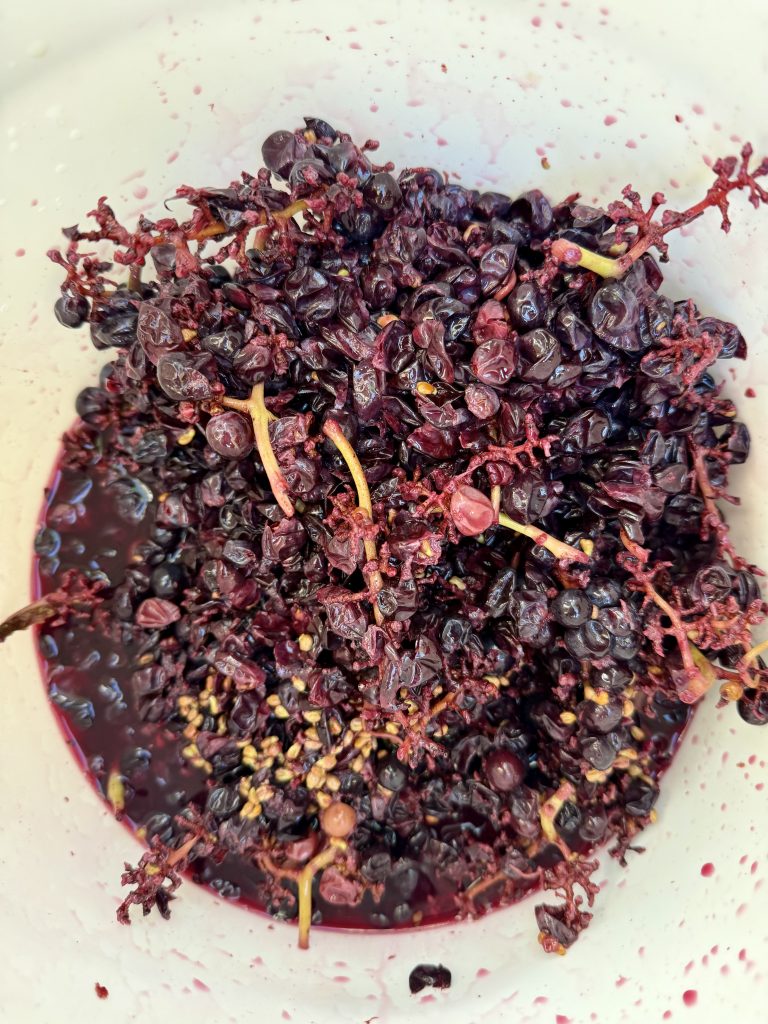
My Pinot Noir of 2025 was a wilder one. I harvested it earlier, mid September. We smashed the grapes by hand and filled an open barrel with them. After 2 days it was fermenting like crazy. We pressed it after some days and it went to a mini stainless steel floating-top tank, and to a mini oak barrel. I divided the mini amount into even smaller ones. After a while, the part in the barrel really needed some air. I splashed it a couple of times and gave it another couple of months. Finally, I moved it all to the small tank and bottled it at the end of March.
Its color and its aroma catch you at first sight. It is fruity and candy-like but has no sweetness. You can taste the particular aromas of carbonic maceration which I love so much. It also has quite some acidity, and apparently it creates a lot of “I want more of it.” Almost all of my 42 bottles are drunk already.
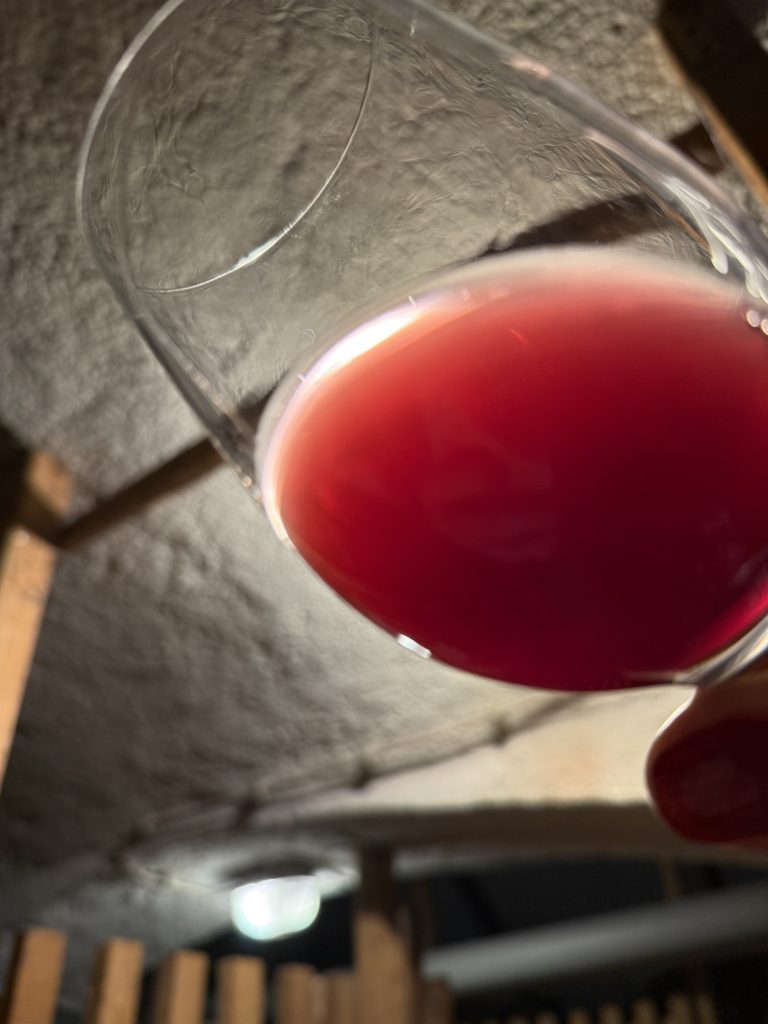
It looks like the concrete around me has given me a lucky hand for the wine. Although I don’t have everything it takes to make a good big batch of wine that is from grapes and grapes only, it has taught me so much about patience, chemistry and care. And about a network and friends who are with me, who taste with me, who help me press, carry and clean, and there for me, between concrete and grapes.